
Gallic Acid as a Natural Preservative Booster in Cosmetic Formulations
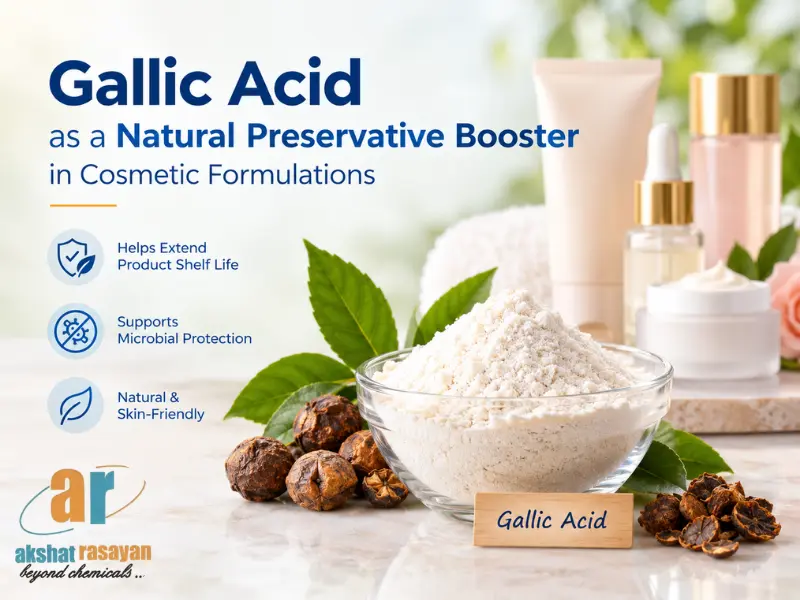
Consumers are reading ingredient labels more closely than ever, and many are asking brands to cut back on harsh synthetic preservatives. For formulators, that creates a real challenge: how do you keep a product safe and stable without relying on heavy preservative loads? One ingredient gaining attention is gallic acid for cosmetic industry. This plant-derived compound can help protect formulas from spoilage and oxidation, supporting a cleaner label.
What Is Gallic Acid?
Gallic acid is a natural phenolic compound found in gallnuts, tea leaves, grapes, oak bark, and sumac. It is well known for its strong antioxidant activity, and it has long been used in food, pharmaceutical, and industrial applications. Today, it is finding a place in cosmetics too, especially in brands built around natural and clean beauty claims.
Why Preservation Matters in Cosmetics
Water-based products like creams, lotions, serums, and shampoos can easily grow bacteria, yeast, and mold. Oils and butters can also go rancid when exposed to air, light, and trace metals. Poor preservation can lead to:
- Unpleasant odor and discoloration
- Texture changes and separation
- Reduced product performance
- Skin irritation and safety risks
That is why every cosmetic formulation needs a well-designed preservation system.
What Does "Preservative Booster" Mean?
A preservative booster is an ingredient that supports the main preservative system rather than replacing it. Boosters can improve overall protection, which may allow formulators to use lower levels of conventional preservatives. Gallic acid fits this role well. It is best viewed as a helper that strengthens a formula’s defenses, not as a stand-alone, broad-spectrum preservative.
How Gallic Acid Supports Preservation
- Antioxidant Protection
Gallic acid neutralizes free radicals that trigger oxidation. In cosmetics, this helps prevent rancidity in oils, fading of colors, and loss of fragrance. It can also protect other sensitive activities, such as vitamins and botanical extracts, so they stay effective for longer.
- Metal Chelation
Trace metals like iron and copper can speed up oxidation and weaken preservative systems. Gallic acid can bind these metal ions, reducing their harmful effects. This supports better shelf life and product stability.
- Antimicrobial Support
Research suggests gallic acid has mild antibacterial and antifungal properties. While not strong enough to protect a formula alone, it can add an extra layer of defense alongside primary preservatives.
Key Benefits of Gallic Acid for the Cosmetic & Personal Care Industry
- Natural and plant-derived: It supports clean beauty and green positioning.
- Multifunctional: It works as an antioxidant, chelating agent, and antimicrobial helper in one ingredient.
- Longer shelf life: It helps delay spoilage, rancidity, and color change.
- Skin-friendly potential: It offers antioxidant and soothing properties that may benefit skin.
- Reduced preservative load: Used well, it may let formulators lower synthetic preservative levels.
Where Gallic Acid Is Used
Gallic acid can be used across many product categories, including:
- Anti-aging creams and serums
- Sunscreens and after-sun care
- Facial cleansers and toners
- Shampoos, conditioners, and scalp treatments
- Deodorants and body care products
- Natural and organic cosmetic lines
Practical Formulation Tips
- Watch the pH. Gallic acid is generally more stable in mildly acidic conditions. At higher pH, it may oxidize and cause browning, so test your formula carefully.
- Use low concentrations. Gallic acid is typically effective at low levels. The right amount depends on your base, so start small and adjust through testing.
- Pair it wisely. It often works best alongside other antioxidants, such as vitamin E, or with approved preservatives and natural alternatives.
- Mind the color. Because it can react with iron, discoloration is possible. Check compatibility with pigments, botanicals, and mineral ingredients.
Challenges to Keep in Mind
Gallic acid is not a cure-all. It has limits in solubility and color stability, and its antimicrobial strength is moderate. Regulations also differ across regions, so confirm that your intended use and claims comply with local cosmetic rules. Sourcing high-purity, cosmetic-grade material from a reliable supplier is equally important for consistent results.
The Future of Natural Preservation
The demand for natural preservatives and clean beauty ingredients continues to grow, and gallic acid is well placed to benefit. As brands look for multifunctional ingredients that protect both products and skin, plant-derived options like this one are becoming more attractive. Expect more research and more innovative formulations in this space.
Final Thoughts
Gallic acid offers a smart, natural way to strengthen preservation in modern cosmetics. By acting as an antioxidant, a chelating agent, and a mild antimicrobial, it helps extend shelf life while supporting cleaner formulations. For brands and formulators exploring gallic acid for cosmetic care industry, the key is to use it as a booster within a well-tested preservation system, not as a replacement for one.
Akshat Rasayan is a trusted supplier of gallic acid, offering quality gallic acid for cosmetic, personal care, pharmaceutical, food, and industrial applications. With a focus on consistent quality and reliable supply, Akshat Rasayan supports manufacturers and formulators looking for dependable gallic acid for their product development needs.